Introduction
The global fashion scene is a vast, eclectic space where cultures and creativity converge to create timeless pieces that resonate with people across the world. In recent years, Vietnamese designers have emerged as significant contributors to this global tapestry, infusing traditional aesthetics with modern design principles. This spotlight on Vietnamese designers seeks to explore the impact and innovation they bring to the international fashion arena, highlighting the unique blend of heritage and contemporary styles that characterize their work.
Vietnamese fashion is distinguished by its intricate craftsmanship, attention to detail, and the harmonious blend of materials and textures. Designers from Vietnam are increasingly gaining recognition for their ability to merge local heritage with global fashion trends, creating pieces that are not only culturally significant but also highly fashionable and wearable internationally. The journey of these designers, from local artisans to global fashion influencers, is a testament to their creativity, resilience, and the growing appeal of Vietnamese design on the world stage.
In this Introduction, we delve deeper into how fashion intertwines with societal norms, showcasing how designers innovate to reflect cultural shifts. From traditional wear to contemporary designs, the evolution of fashion is a narrative of creativity.
Pioneering Designers and Their Global Impact
Among the vanguards of Vietnamese fashion, names like Cong Tri, Thuy Nguyen, and Phuong My stand out. Cong Tri, known for his avant-garde designs and meticulous attention to detail, has dressed international celebrities like Beyoncé and Rihanna, placing Vietnamese design squarely on the global fashion map. His collections are a masterclass in combining traditional Vietnamese craftsmanship with contemporary aesthetics, making him a regular at New York Fashion Week.
Thuy Nguyen, on the other hand, draws heavily on Vietnamese folklore and paintings, translating these elements into wearable art. Her designs are a vibrant testament to Vietnam's rich cultural tapestry, featuring hand-painted fabrics and elaborate embroidery. Phuong My’s creations are characterized by their feminine silhouettes and delicate fabrics, reflecting the designer’s focus on highlighting the strength and elegance of women. My's work has been showcased in fashion capitals like Paris and New York, further cementing the global presence of Vietnamese design.
These designers not only contribute significantly to global fashion trends but also play a crucial role in mentoring the next generation of Vietnamese designers, ensuring the sustainability and growth of the country's fashion industry on the international stage.
Exploring the global reach of pioneering designers reveals how their innovative creations transcend borders, inspiring fashion enthusiasts worldwide. From the intricate designs of Elie Saab to the avant-garde styles of Rei Kawakubo, their impact is undeniable.
The Fusion of Tradition and Modernity
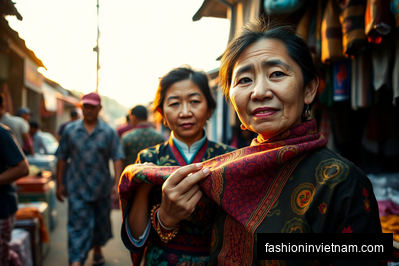
A defining feature of Vietnamese design is its successful fusion of traditional elements with modern fashion sensibilities. This blend is not merely aesthetic but also deeply rooted in Vietnam's history and culture. Designers leverage Vietnam's rich textile heritage, such as silk weaving and embroidery, to create contemporary pieces that resonate with global audiences while preserving their cultural essence.
For instance, the use of Ao Dai, the traditional Vietnamese dress, is reimagined in many collections to suit the modern fashion landscape. Designers experiment with fabrics, colors, and cuts to transform the Ao Dai into a versatile piece that can be worn on global runways and city streets alike. This approach not only revitalizes traditional Vietnamese crafts but also introduces them to new audiences, promoting cultural appreciation and exchange.
The challenge, however, lies in maintaining the authenticity of these traditional elements while ensuring their relevancy in the fast-paced world of fashion. Designers must navigate the fine line between innovation and preservation, a task that requires creativity, respect for heritage, and an understanding of global fashion trends.
In Japanese architecture, the concept of "wabi-sabi" beautifully embodies the fusion of tradition and modernity. This aesthetic values imperfection and simplicity, blending ancient craftsmanship with contemporary design.
Sustainability and Ethical Fashion
In an era increasingly dominated by discussions of sustainability and ethical fashion, Vietnamese designers are leading the charge toward more responsible practices. Many are embracing sustainable materials, ethical labor practices, and environmentally friendly production methods, setting a benchmark for the global fashion industry.
Designers like Thao Vu of Kilomet109 and Chuong Dang are pioneers in this field, focusing on slow fashion that emphasizes quality over quantity. Their use of natural dyes, organic fabrics, and traditional textile techniques not only minimizes environmental impact but also supports local communities and craftspeople. This commitment to sustainability is not just a trend but a core principle of many Vietnamese designers, reflecting a broader shift within the fashion industry towards more ethical and sustainable practices.
However, the path to sustainability is fraught with challenges, including higher production costs, consumer education, and the global supply chain's complexities. Despite these obstacles, the dedication of Vietnamese designers to sustainability is reshaping consumer perceptions and encouraging a more thoughtful approach to fashion consumption worldwide.
Exploring sustainable fabrics like organic cotton and recycled polyester is crucial for ethical fashion brands aiming to reduce environmental impact.
By partnering with Fair Trade initiatives, fashion labels can ensure fair wages and working conditions for artisans, aligning with sustainability goals.
The Future of Vietnamese Design on the Global Stage
The trajectory of Vietnamese design on the international fashion scene is promising. With a blend of cultural heritage, innovative design, and a commitment to sustainability, Vietnamese designers are poised to make an even more significant impact in the years to come. The global fashion industry's increasingly inclusive and diverse nature offers a fertile ground for these designers to showcase their unique visions and stories.
Emerging technologies and digital platforms also present new opportunities for Vietnamese designers to reach global audiences, democratizing fashion in ways previously unimaginable. Collaboration between Vietnamese designers and international brands, cross-cultural exchanges, and participation in global fashion weeks will continue to elevate the visibility and influence of Vietnamese design.
However, for Vietnamese design to sustain its growth on the global stage, there must be continued investment in nurturing talent, fostering innovation, and promoting ethical and sustainable practices. The journey ahead is both exciting and challenging, but with their creativity, resilience, and commitment to their craft, Vietnamese designers are well-equipped to navigate the future of global fashion.
As Vietnamese designers gain recognition for their innovative use of traditional textiles and sustainable practices, their influence on global fashion is set to soar. The fusion of Vietnamese heritage with contemporary design aesthetics is captivating fashion enthusiasts worldwide.
Conclusion
Vietnamese designers have undoubtedly made their mark on the global fashion scene, bringing a unique blend of tradition, innovation, and sustainability to the forefront. Their work not only enriches the international design landscape but also serves as a bridge between cultures, inviting a deeper understanding and appreciation of Vietnamese heritage. As these designers continue to push boundaries and explore new horizons, the global fashion community watches with anticipation, ready to embrace the next wave of Vietnamese creativity. The spotlight on Vietnamese designers is not just a momentary glance but a long-lasting admiration for their contribution to the world of fashion.
For fashion enthusiasts and professionals alike, the rise of Vietnamese designers offers a fresh perspective and a reminder of fashion's power to unite diverse voices and stories. The journey of Vietnamese design from local tradition to global prominence is a testament to the enduring spirit of creativity and innovation that defines the fashion industry at its best.
In conclusion, the innovative designs from Vietnamese fashion creators not only showcase cultural richness but also redefine global trends with their intricate details and craftsmanship. Their ability to blend traditional elements with modern aesthetics sets them apart in the industry.